
From the dispenser to the professional kitchen.
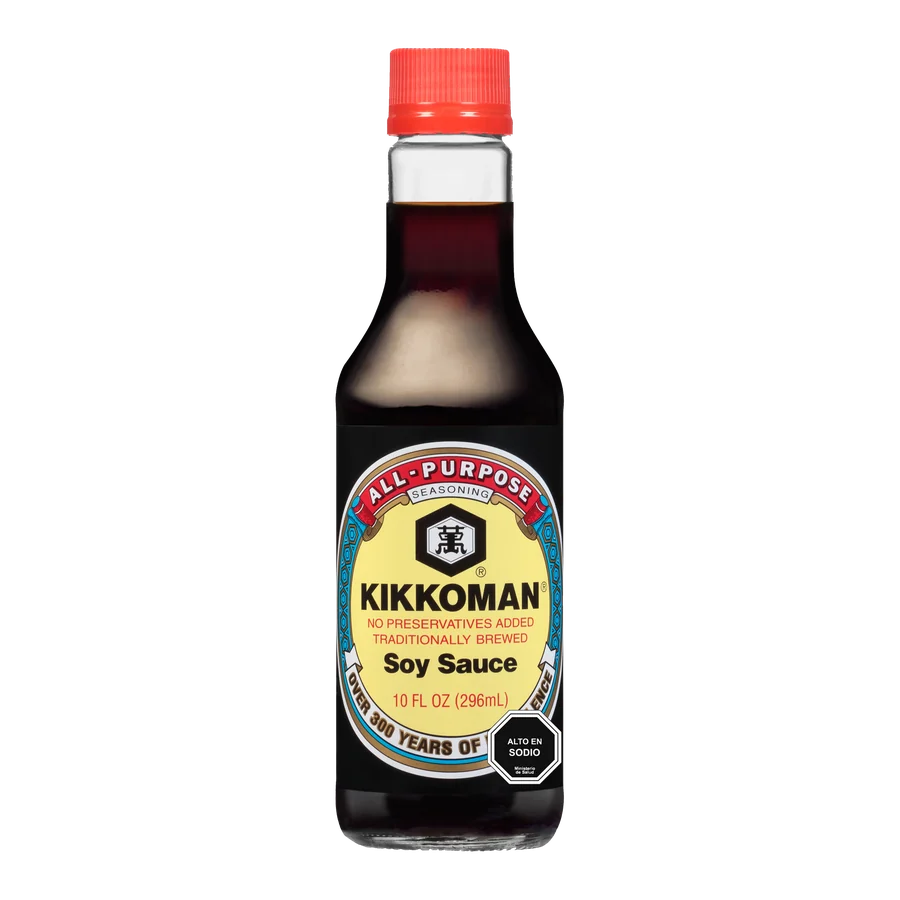
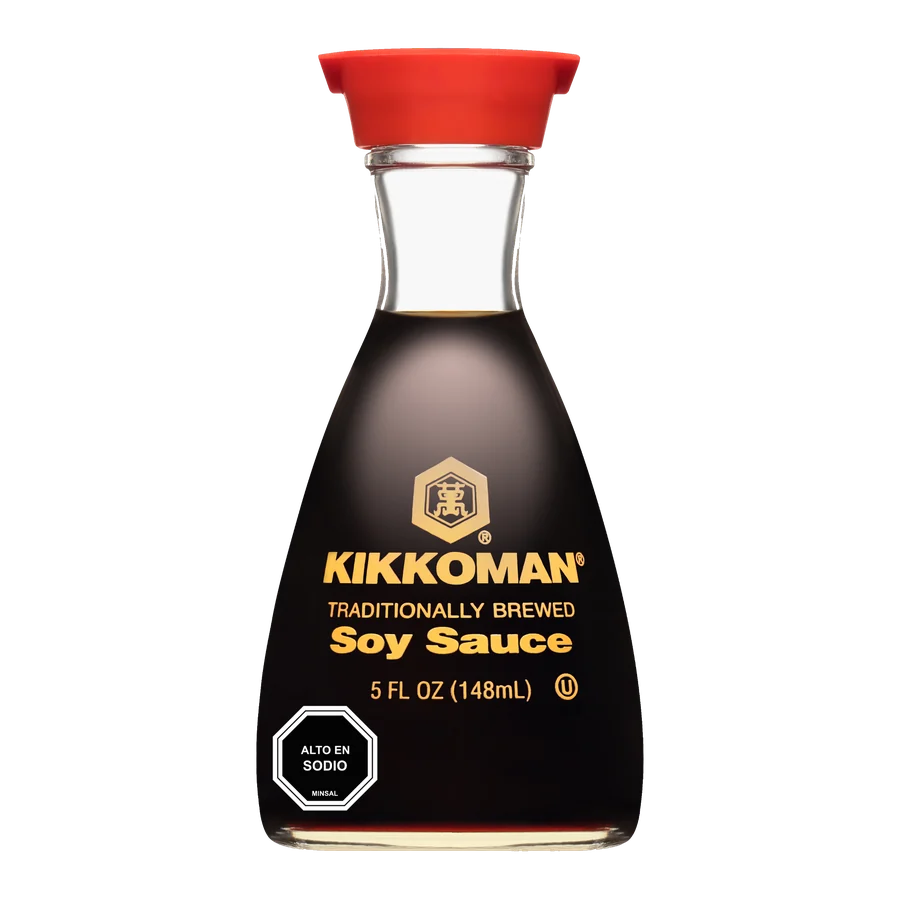
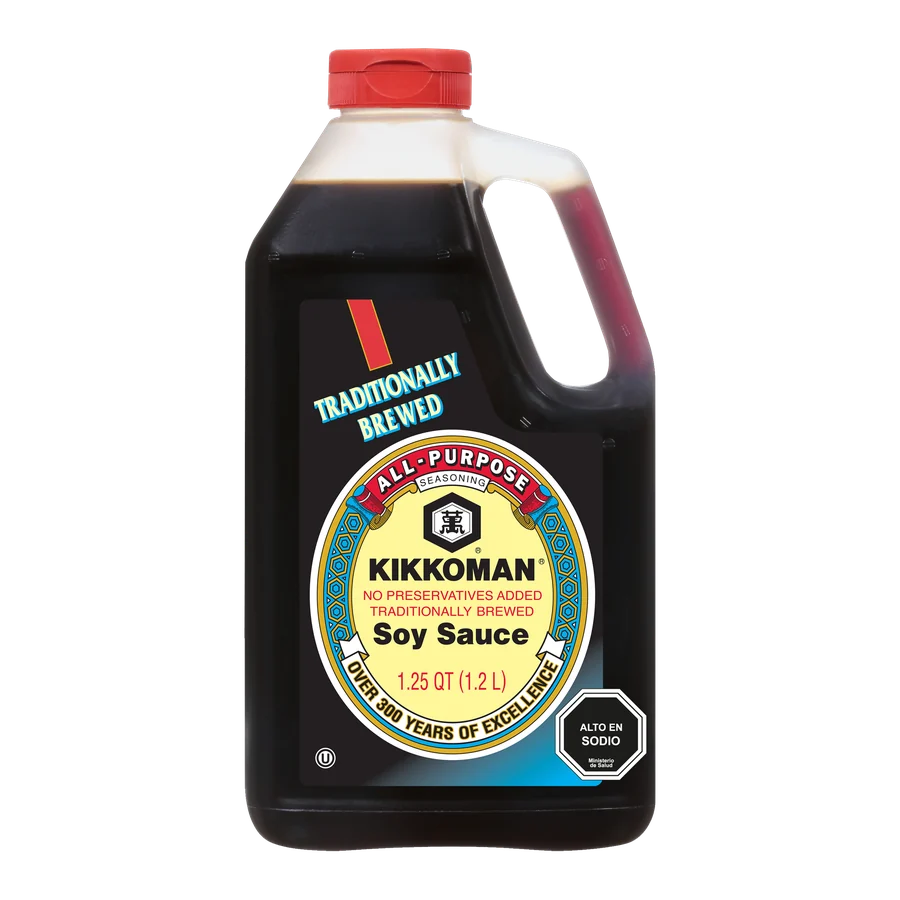
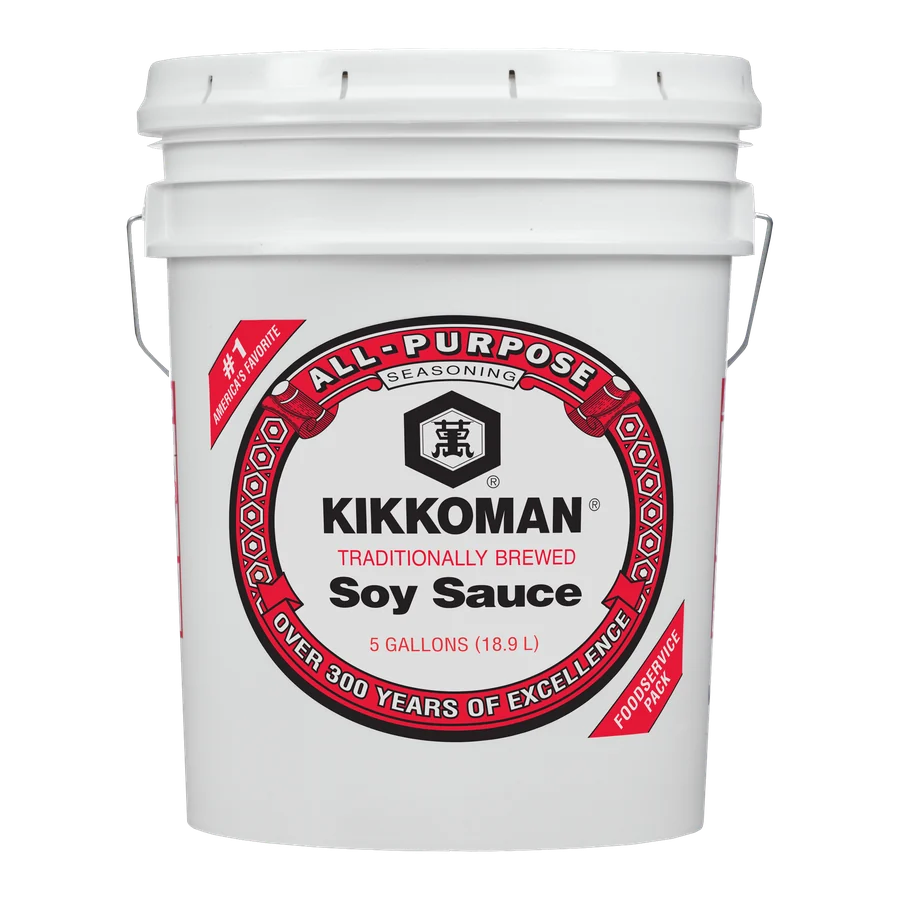
The same sauce in six sizes: the 1961 dispenser bottle for the table, 296 and 591 ml bottles, the 1.2-liter PET bottle and the 18.9-liter bucket for restaurants, sushi bars and catering. Traverso serves retail, wholesale and foodservice all over Chile.
 591 ml
The complete range in Chile.
Classic and low-sodium soy sauce, gluten-free tamari, teriyaki, wasabi and panko. Each product opens its page with its sizes, labeling and the recipes it is used in.
Soy Sauce
Naturally brewed Kikkoman soy sauce, a flavor enhancer for Asian and Western dishes.
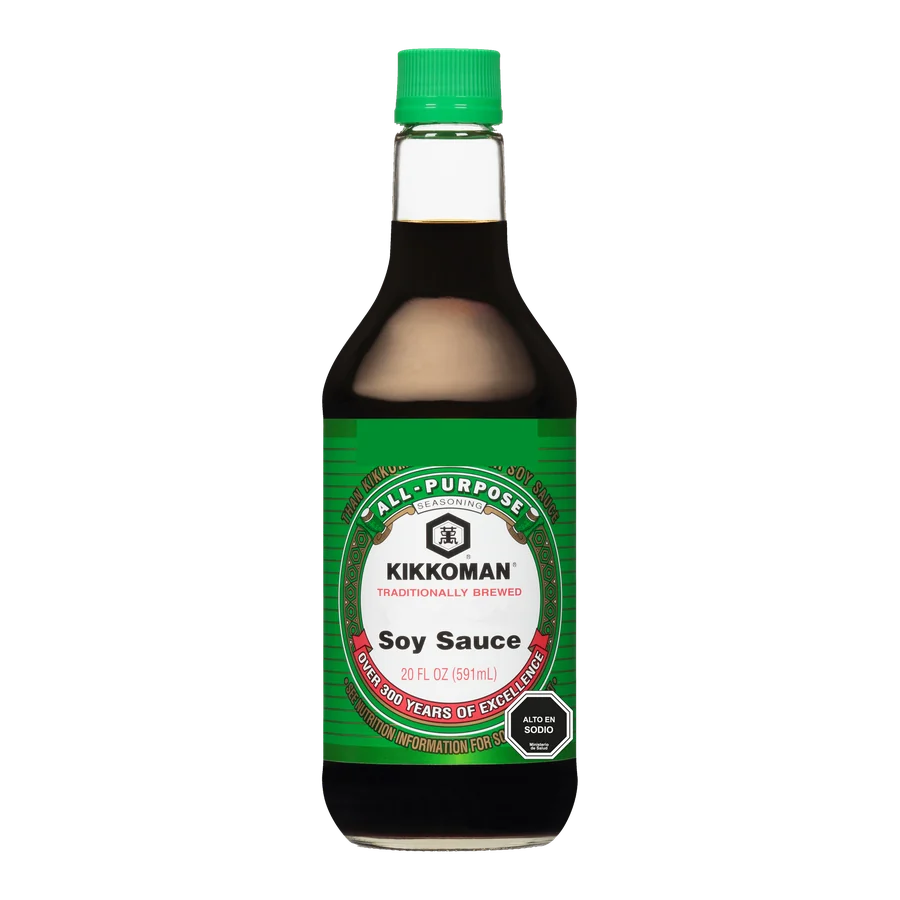
Less Sodium Soy Sauce
Kikkoman soy sauce with approx. 37% less salt, with the same flavor as the traditional recipe.
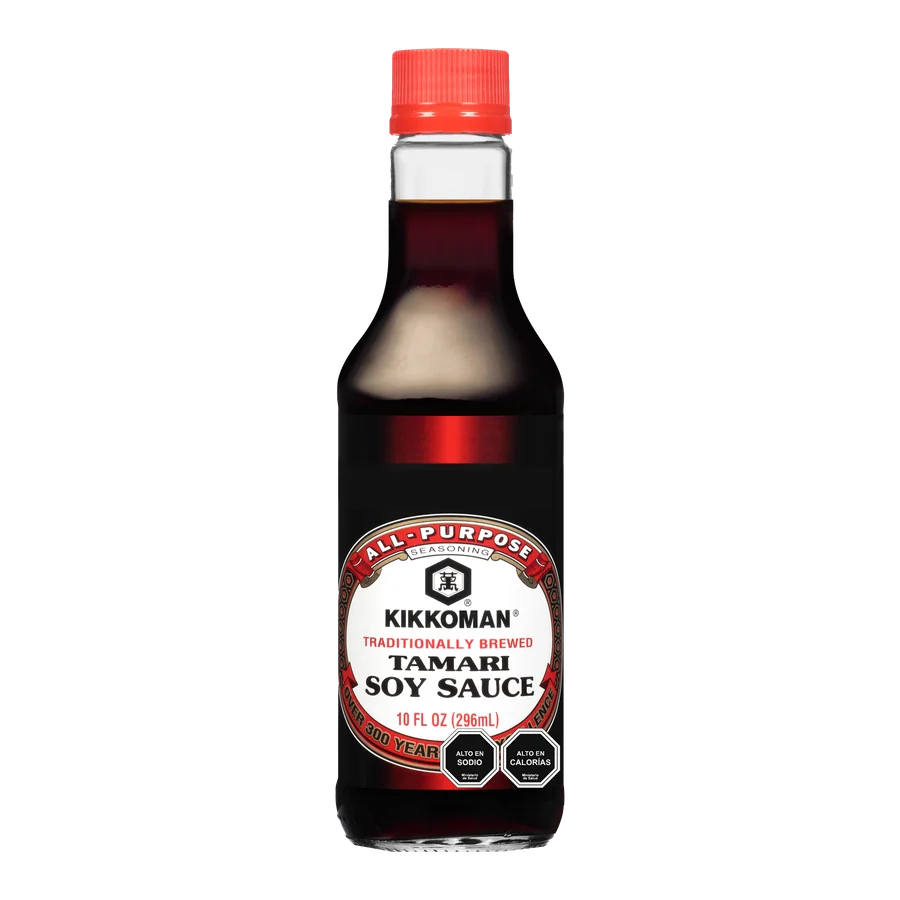
Tamari Sauce
Kikkoman Tamari soy sauce with a traditional Asian flavor, for Asian and Western dishes.
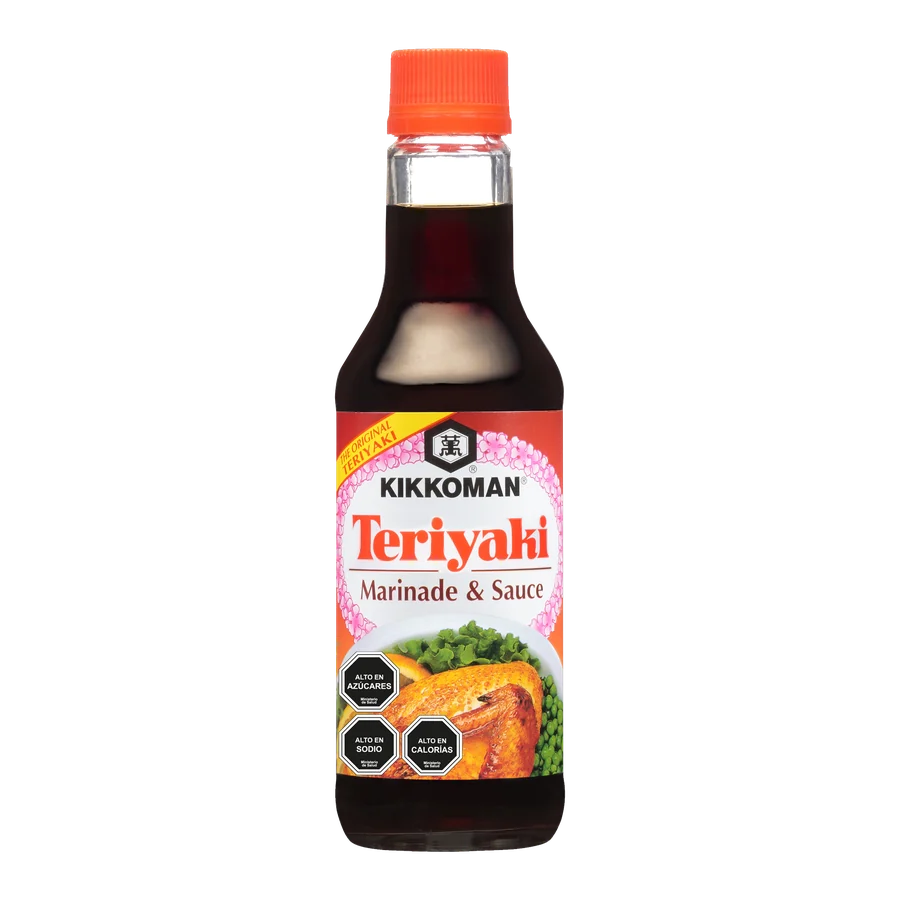
Teriyaki Sauce
Kikkoman Teriyaki sauce with a sweet and savory flavor, ideal for glazing meats, chicken and stir-fries.
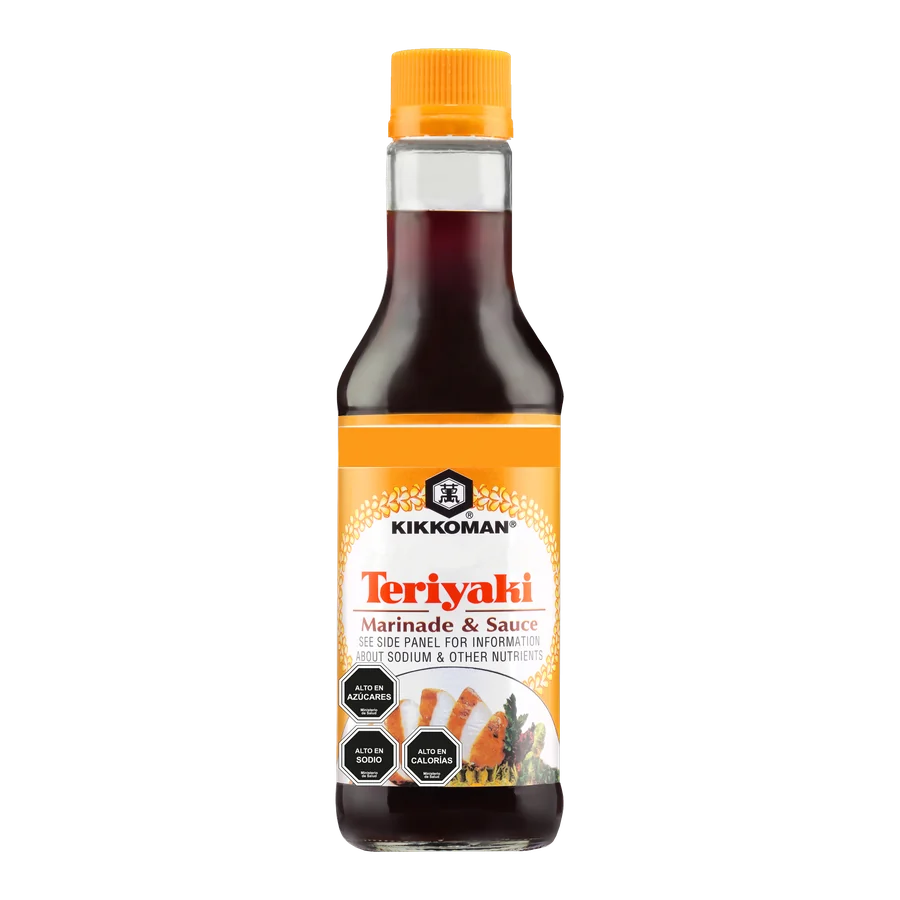
Less Sodium Teriyaki Sauce
Kikkoman Teriyaki sauce with less sodium and a sweet and savory flavor, ideal for glazing meats and stir-fries.
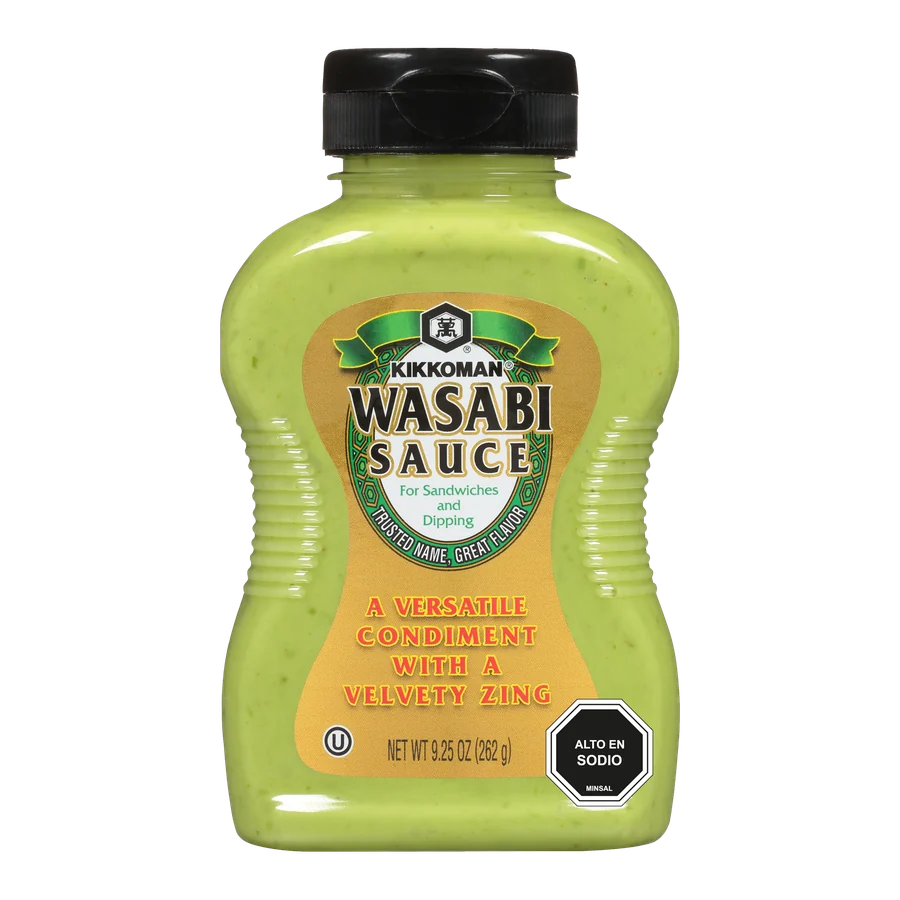
Wasabi
Creamy Kikkoman wasabi sauce, with the flavor and heat of horseradish and wasabi.
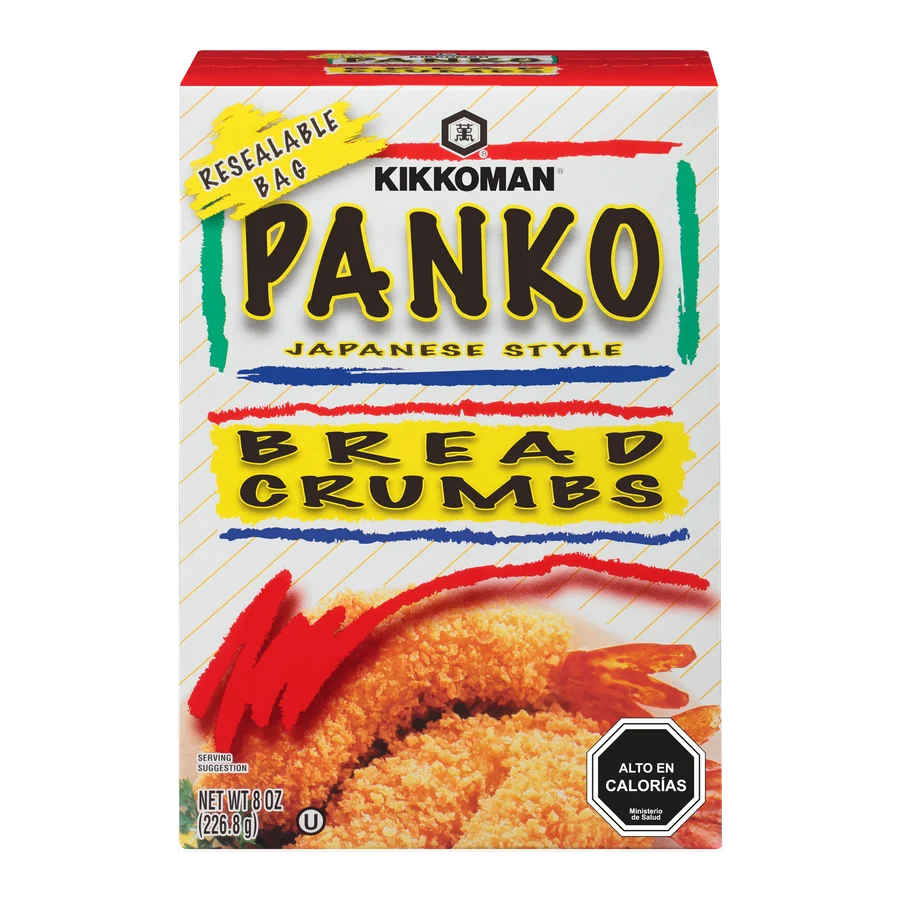
Panko
Kikkoman crispy Japanese-style breadcrumbs, ideal for coating shrimp, onion rings and chicken wings.

Sweet and Sour Sauce 326 ml
Kikkoman sweet and sour sauce, ideal with fried wontons, chicken wings and main dishes.
Sweet and Sour Sauce 340 ml
Kikkoman sweet and sour dipping sauce, ideal for fried wontons, chicken wings and appetizers.
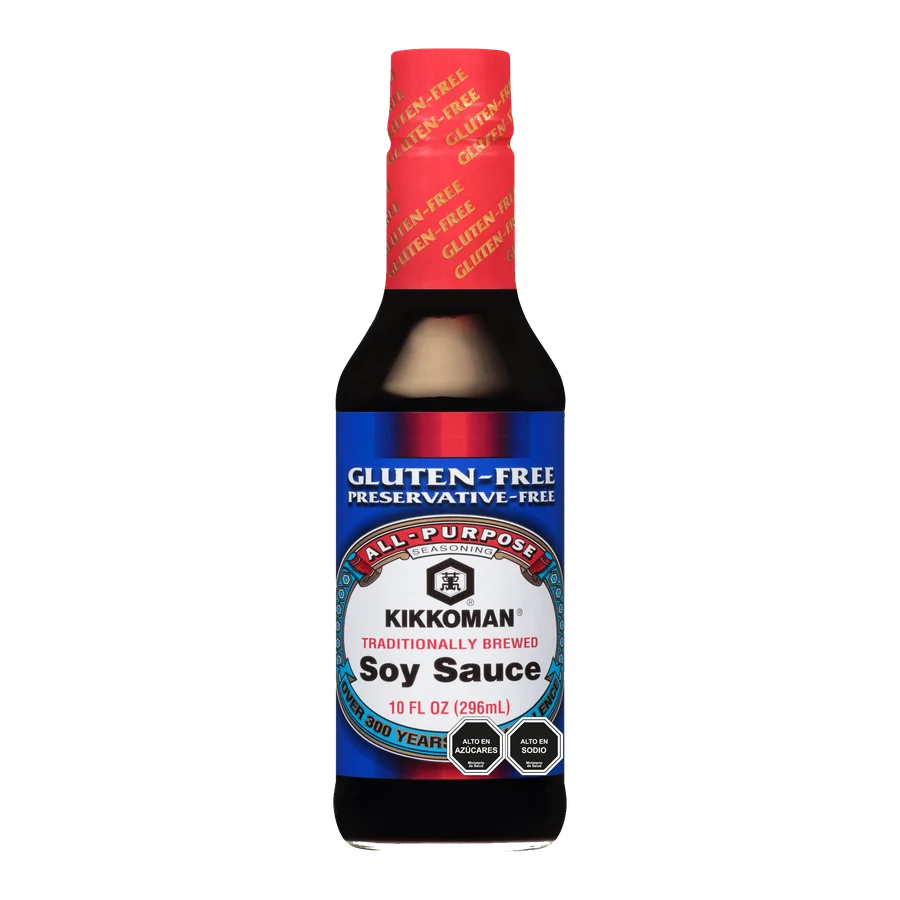
Gluten-Free Soy Sauce
From the dispenser to the 18.9-liter bucket
Four ingredients.
And time.
Kikkoman’s recipe is called honjozo, natural brewing: soybeans and wheat are cultured with koji, mixed with brine and left to rest for months until they become moromi. The result is a translucent reddish-brown sauce, with hundreds of aromatic compounds and no colorings or additives.
The tradition was born in Noda, Japan, in the 17th century; in 1917 the families who made it joined together as Kikkoman Corporation. The name comes from kikko, the tortoise shell —a symbol of longevity— and man, ten thousand: the hexagon on the label.
- Origin
- Noda, JapanChiba Prefecture, on the banks of the Edo River
- Headquarters
- Kikkoman CorporationTokyo · founded in 1917 by the producing families of Noda
- Tradition
- 17th centuryOver 300 years of natural brewing (honjozo)
- Ingredients
- Soybeans, wheat, salt and waterNo colorings or additives; months of brewing
- Presence
- Over 100 countriesPlants in Japan, the United States, the Netherlands, Singapore, Taiwan and China
- Official website
- kikkoman.com ↗