
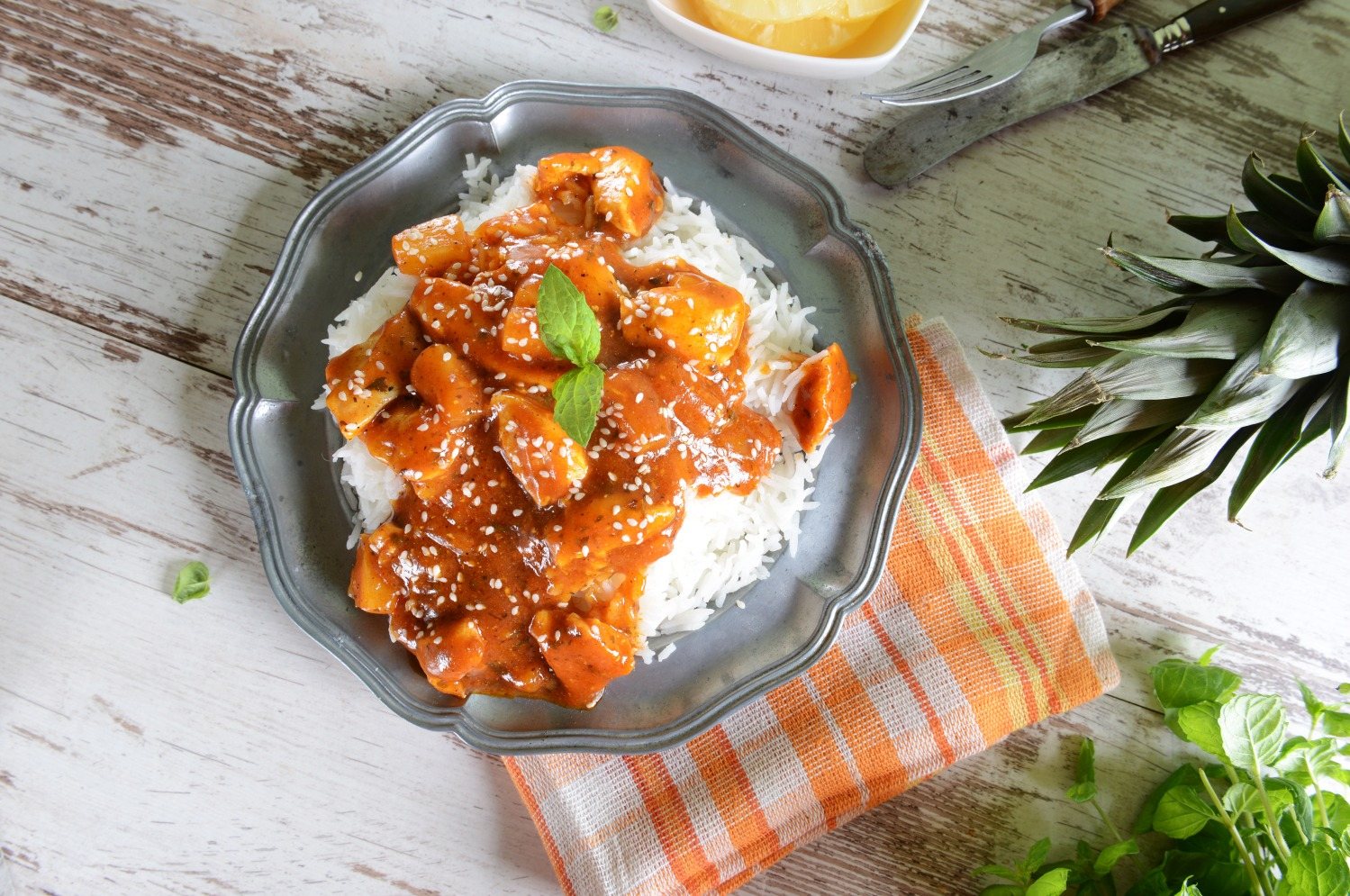
 Canton, China
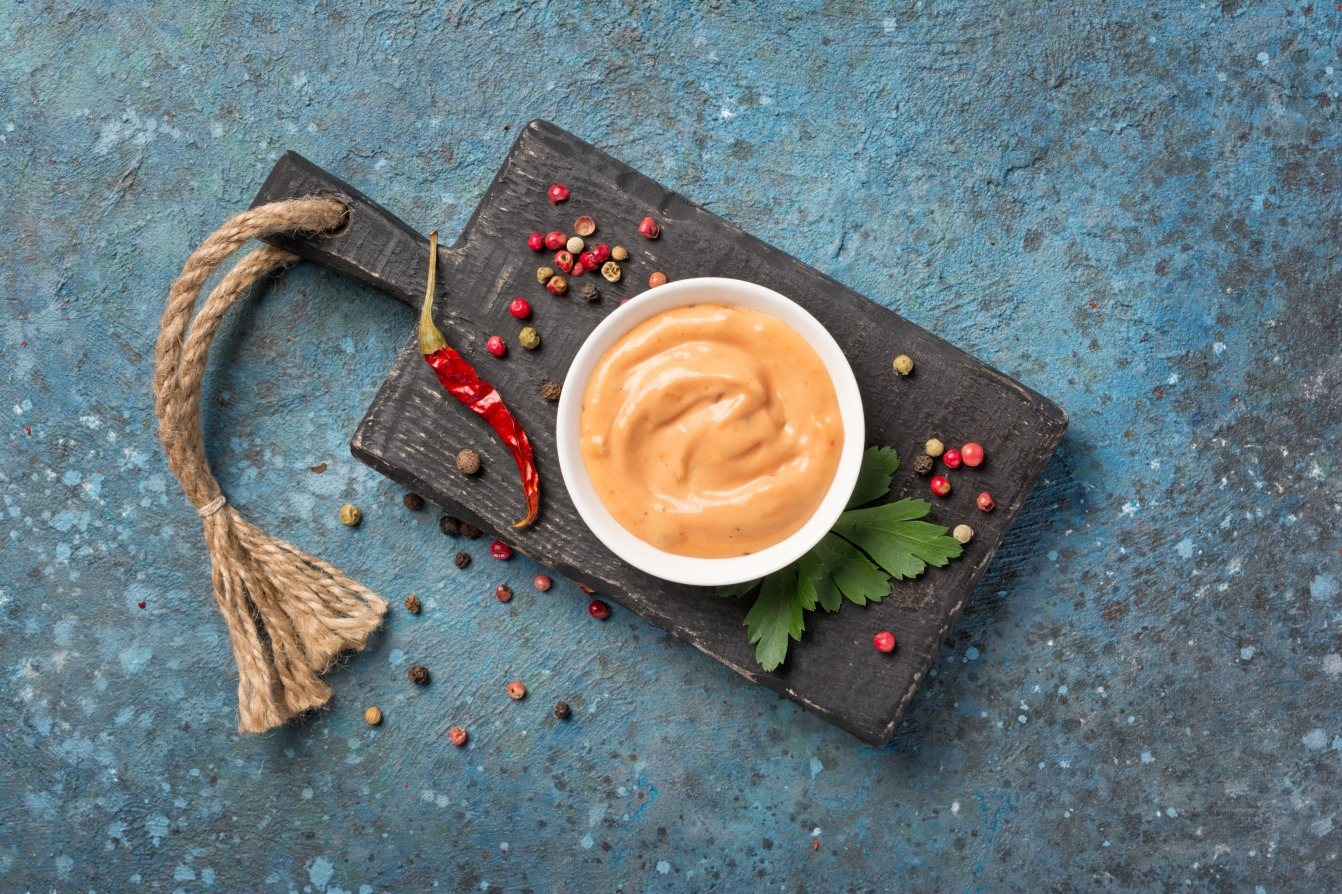
Sweet and sour comes from Cantonese cooking in southern China, where pork fried in a sauce of sugar and rice vinegar is a long-standing classic. Sweet and sour chicken is one of its best-known variations.
The recipe35 min
Simple ideas for every day, made with Traverso products: from the lemon in your salad to the classic diner chili sauce.
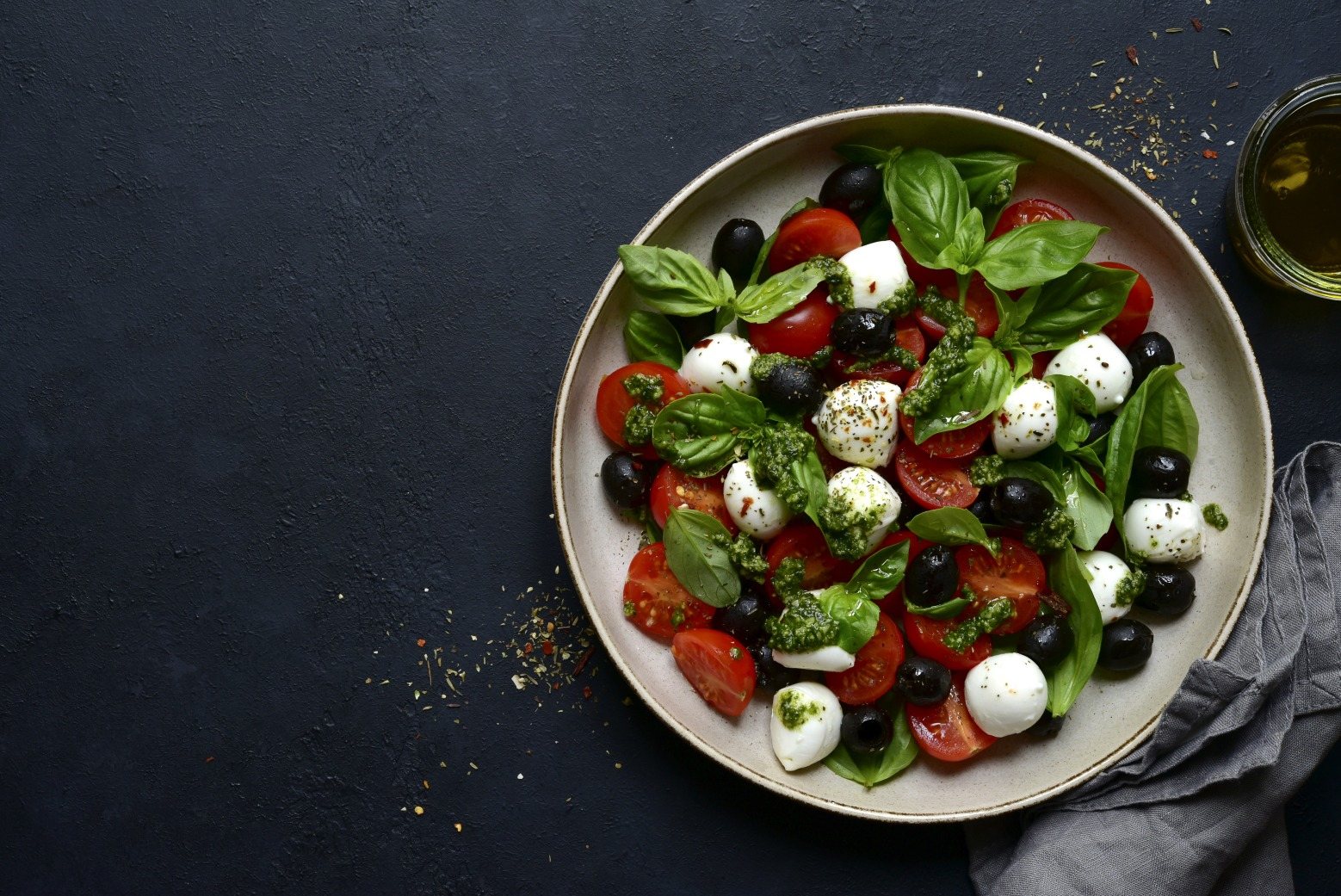
In the photoCaprese saladSee the recipe →Canton, ChinaSweet and sour comes from Cantonese cooking in southern China, where pork fried in a sauce of sugar and rice vinegar is a long-standing classic. Sweet and sour chicken is one of its best-known variations.
 Genoa, Italy
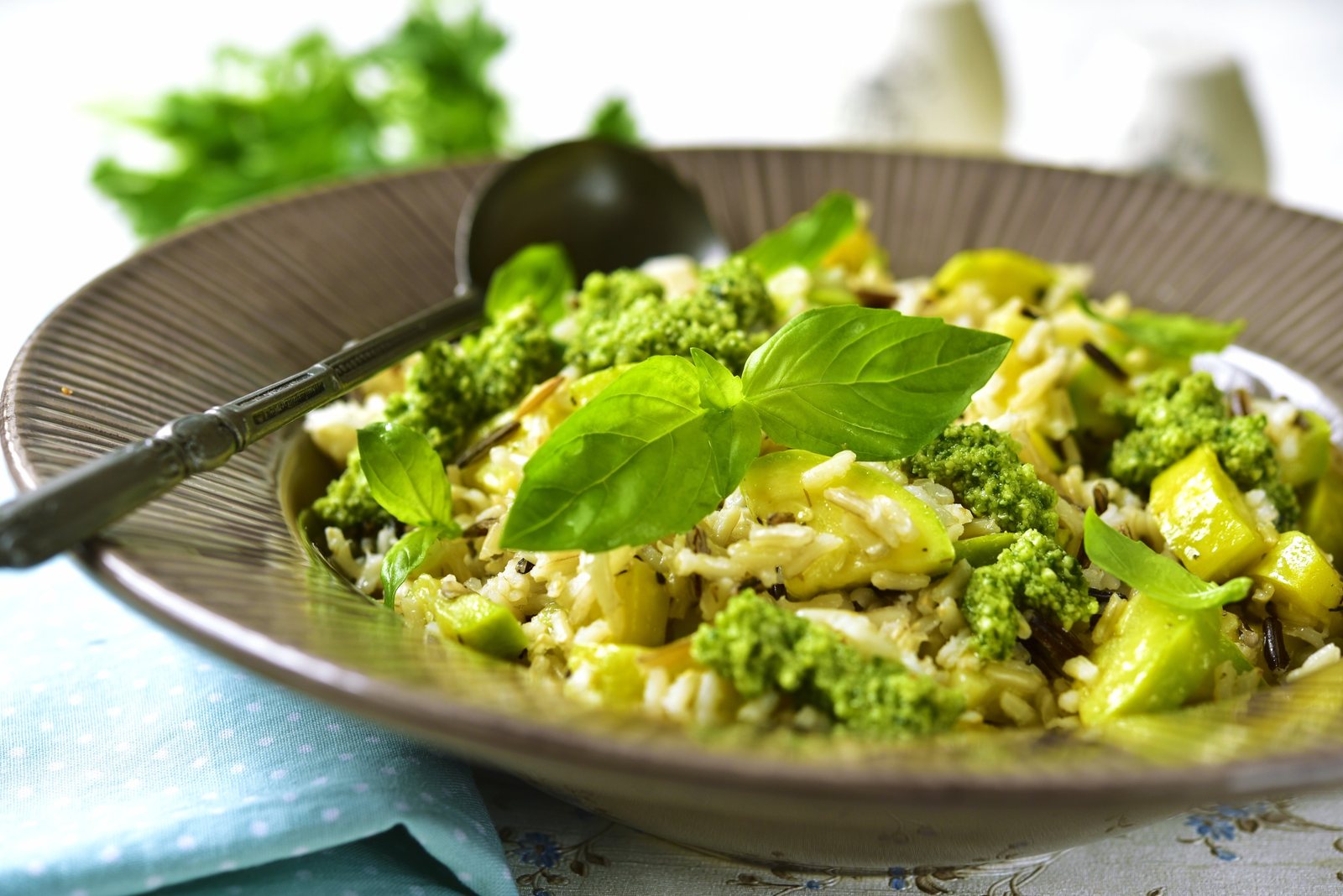
Pesto comes from Genoa, on the Ligurian coast, and its name comes from the Genoese pestâ, to crush: it is made in a mortar, grinding basil, garlic, pine nuts, cheese and olive oil.
 Canton, China
Sweet and sour comes from Cantonese cooking in southern China, where pork fried in a sauce of sugar and rice vinegar is a long-standing classic. Sweet and sour chicken is one of its best-known variations.
Genoa, ItalyPesto comes from Genoa, on the Ligurian coast, and its name comes from the Genoese pestâ, to crush: it is made in a mortar, grinding basil, garlic, pine nuts, cheese and olive oil.
Capri, ItalyCaprese takes its name from Capri, the island off Naples. The most repeated story places it in the 1920s at the Hotel Quisisana, where it was supposedly served as a light, pasta-free dish; others say it was born earlier, as a bread filling. Neither version is fully documented, but they all agree on the place.
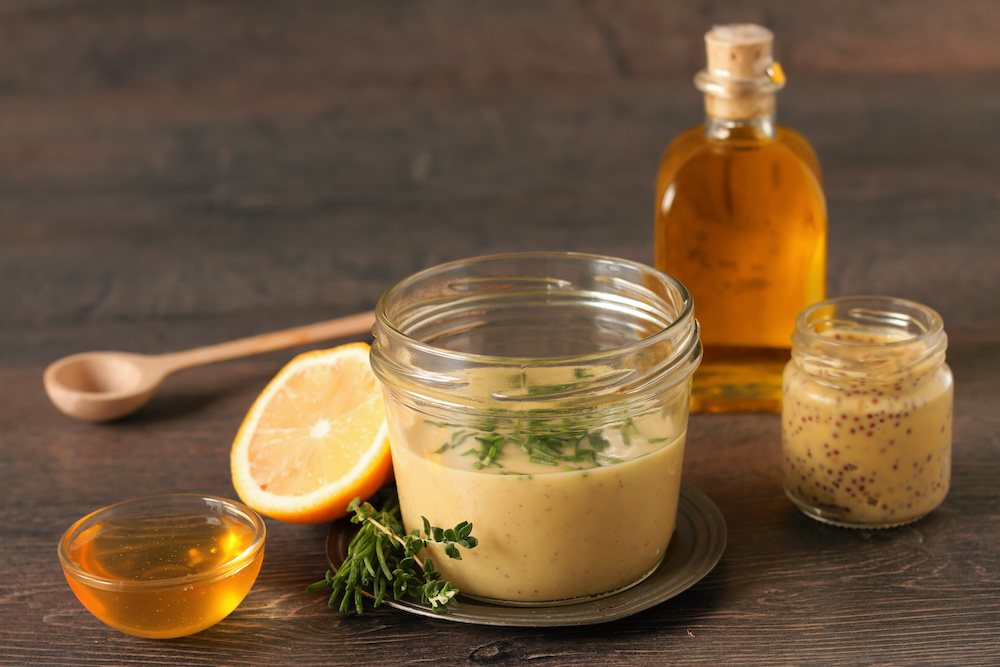
FranceDressing salads with oil and vinegar is as old as salads themselves, but the name is French: vinaigrette, the diminutive of vinaigre, vinegar. In 19th-century America it was simply called “French dressing.”
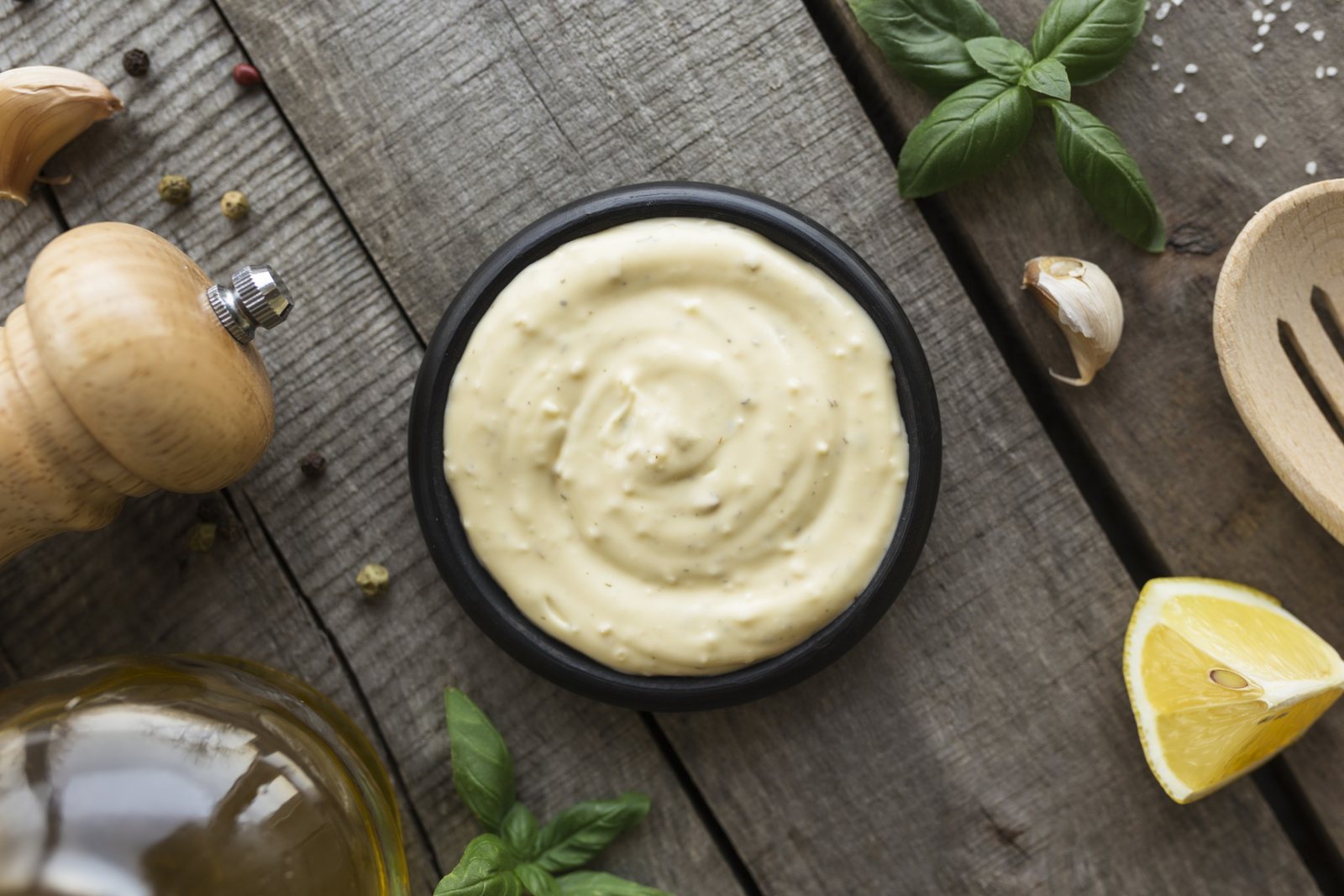
CataloniaAllioli is a Catalan word, and it says exactly how it is made: all i oli, garlic and oil.
Genoa, ItalyPesto comes from Genoa, on the Ligurian coast, and its name comes from the Genoese pestâ, to crush: it is made in a mortar, grinding basil, garlic, pine nuts, cheese and olive oil.
French bistrosFor centuries it was said that Tartar horsemen tenderized meat under their saddles to eat it raw.
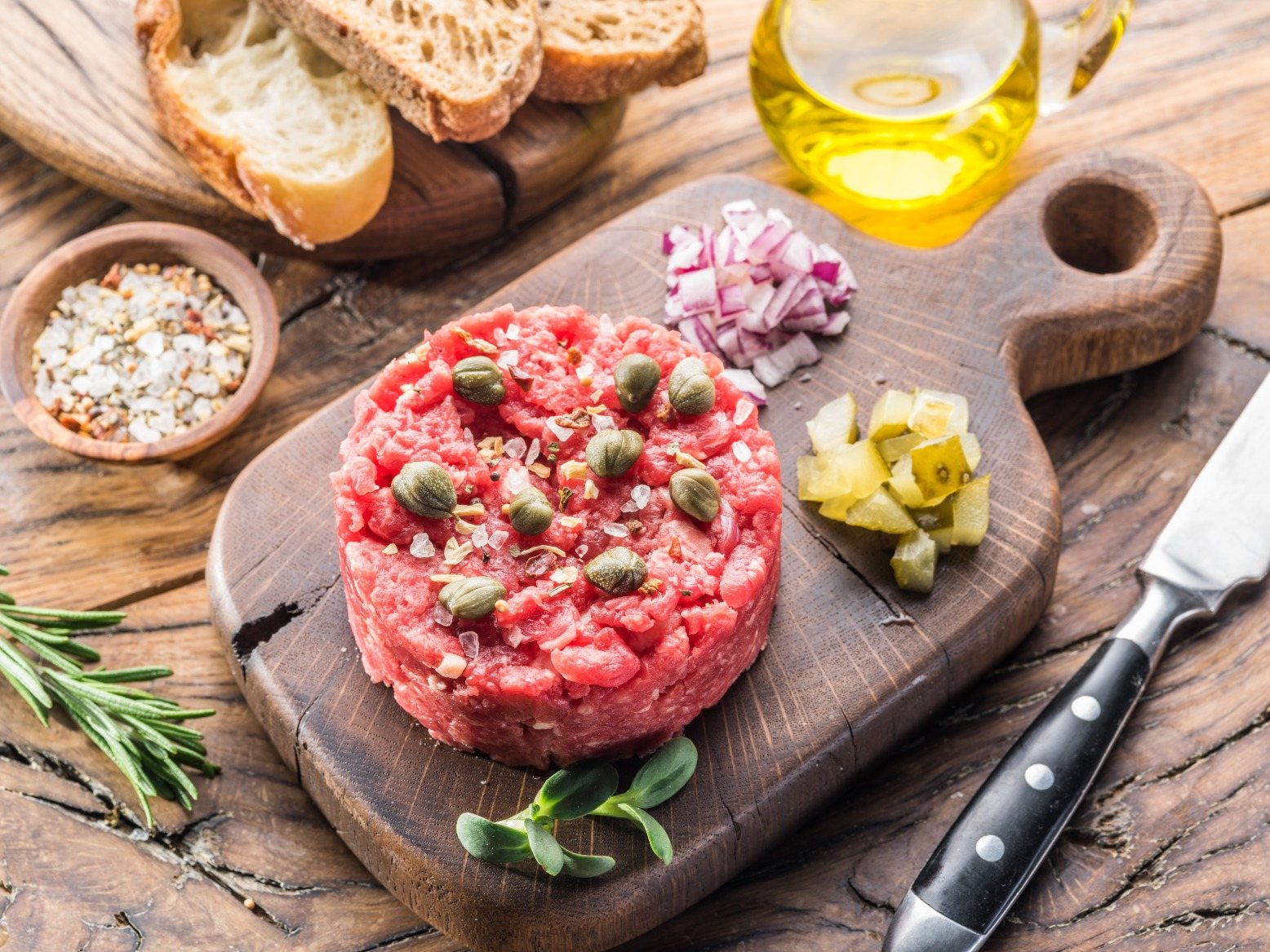
French bistrosFor centuries it was said that Tartar horsemen tenderized meat under their saddles to eat it raw. It is a legend: it was spread by a 13th-century French chronicler who never met a Tartar.
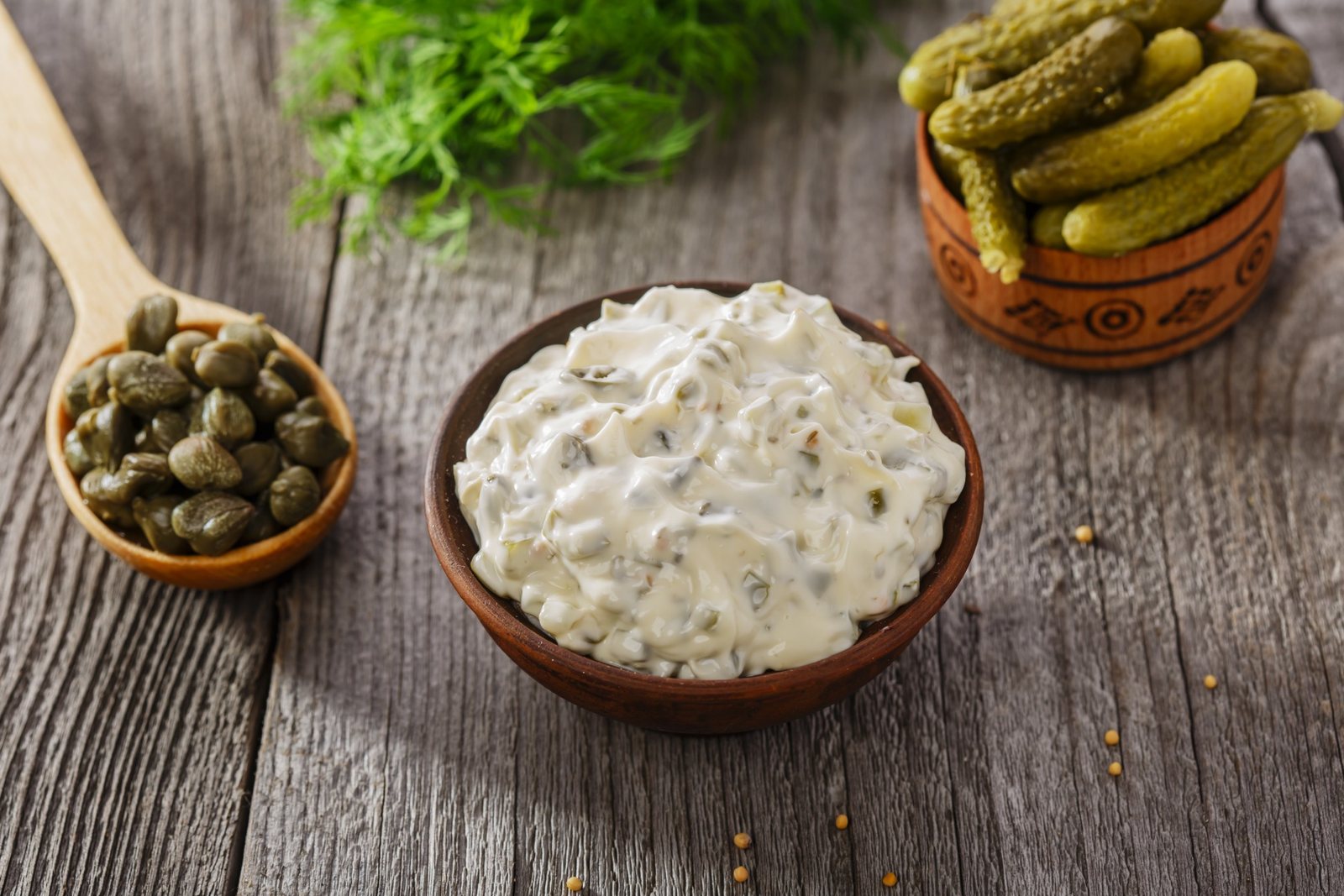
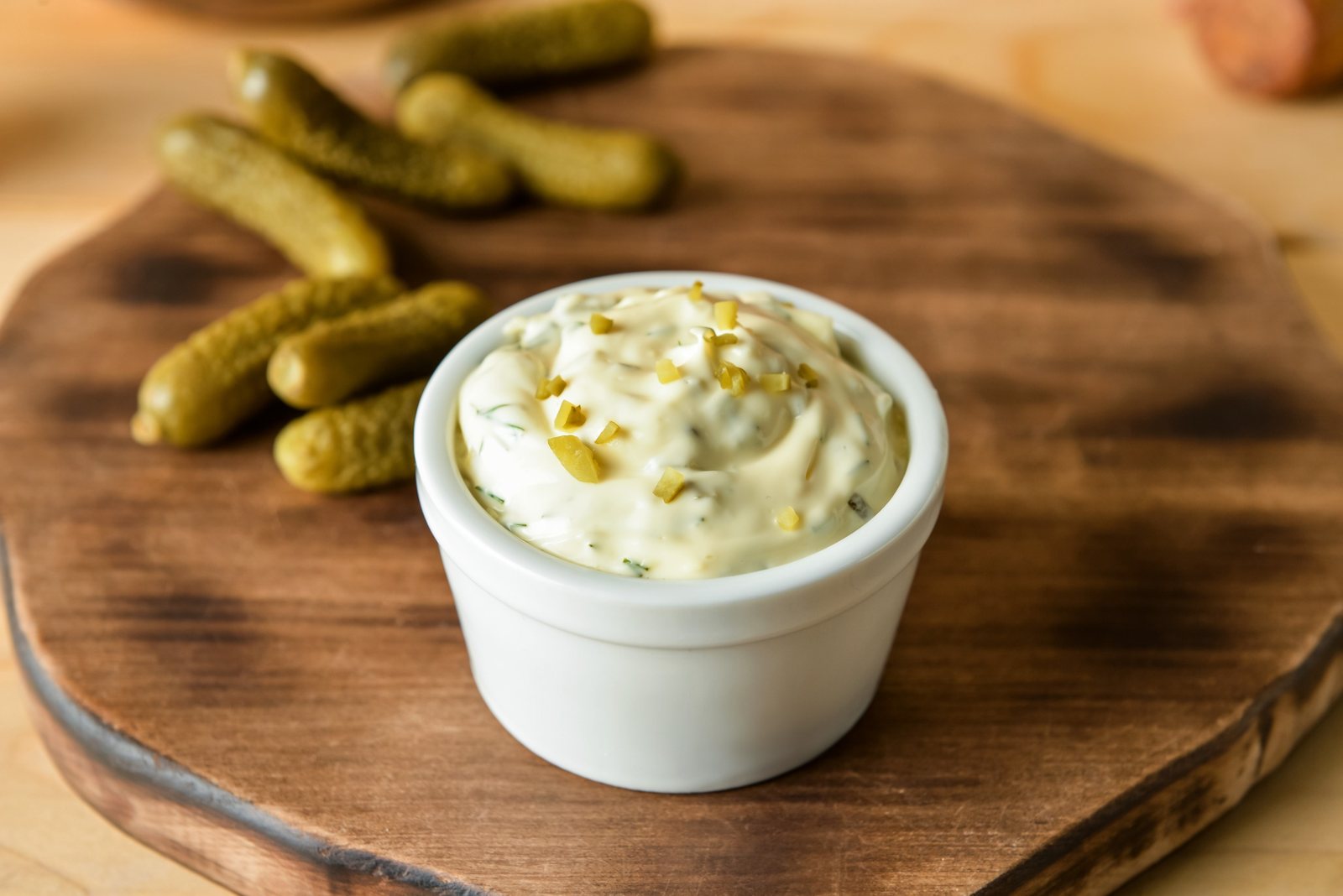
French cuisineTartar sauce comes from French cuisine: a mayonnaise with mustard, gherkins and chopped capers.